Producing fresh and healthy food for local communities and personal use, rather than for large commercial sales, is the focus of a small-scale farming ideas. It involves growing crops and raising animals on a small piece of land, usually managed by a family or a small group.
It is becoming more popular due to Healthy and Organic Food Demand, Lower Start-Up Cost, Environmental Benefits, Local Employment and Community Support, Smart Use of Technology, Resilience and Flexibility.
This article introduces simple and profitable farming ideas that are easy to getstarted with. Discover how to convert a small piece of land into something extraordinary.
Advantages of Small-Scale farming- Green Future
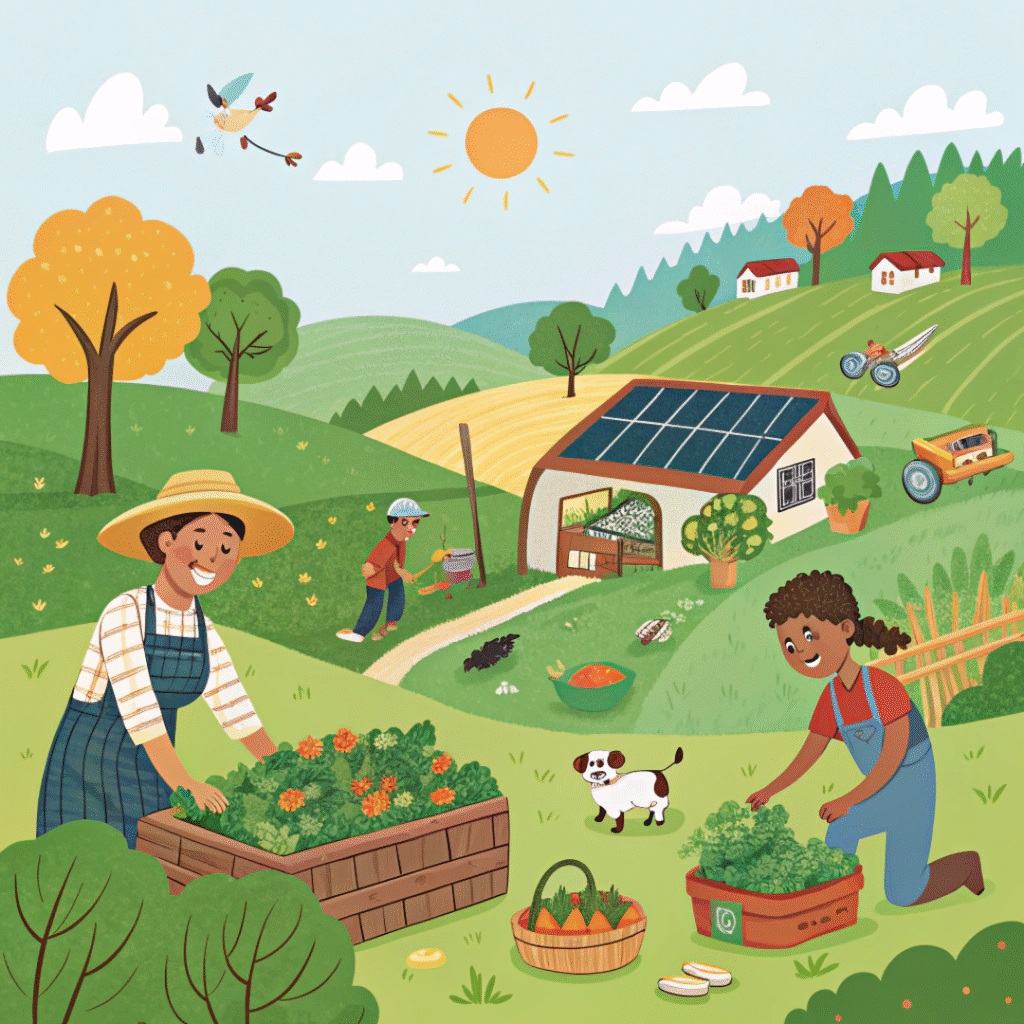
Small-scale farming provides numerous benefits to both farmers and their communities. The emphasis is on sustainability, locally sourced food, and an improved quality of life. Here are some key benefits:
- Food Security: Small-scale farms produce a significant portion of the world’s food, especially in local communities, enhancing the availability of nutritious food for people.
- Community Engagement: It create warm connections between farmers and local people. Through friendly farmers’ markets, workshops, and community gatherings, they bring everyone closer—like one big family sharing the love for fresh, healthy food
- Preservation of Culture: Small farms help preserve rural culture and the traditions associated with farming and land stewardship.
- Local Economic Growth: Investing in small farms keeps money within the local economy by creating jobs and generating income for farm families (according to Mavuno Organics).
- Market Access: Improved market access allows small farms to help farmers improve there income and feel more confidently in the market
- Sustainability: Small farms care deeply for the land. They often use natural ways to grow crops and raise animals, helping nature stay in balance and building a healthier, more loving connection with the earth
- Biodiversity: By nurturing different plants, animals, and insects, small farms keep the land alive and full of life.
- planting practices and managing natural resources responsibly.
- Nutritious Food: Local agroecological production can yield more nutrient-dense vegetables and other healthy foods.
Connection to Food: Small-Scale Farming Ideas a personal connection between people and the food they eat, building trust and openness between farmers and consumers in the food system
Top Small-Scale Farming Ideas : Fresh Ideas
From Soil to Success — Build Your Future with Small-Scale Farming.
| Small-Scale Farming Idea | How it Works | Investment Level | Expected Profit |
| Vegetable Farming | Grow vegetables like tomatoes, spinach, carrots, lettuce in small plots or raised beds | Low (~$100–$500) | Moderate ($200–$800 per season) |
| Poultry Farming | Raise chickens or ducks for eggs and meat in coops | Low–Moderate ($200–$1000) | Moderate–High ($300–$1000/month) |
| Goat/Sheep Farming | Keep small livestock for milk, meat, and manure | Moderate ($300–$1500) | Moderate ($200–$800/month) |
| Fruit Farming | Plant fruits like strawberries, papaya, guava, mango in small orchards | Moderate ($500–$2000) | Moderate–High ($400–$1500 per season) |
| Beekeeping | Maintain bee colonies to produce honey and beeswax | Low ($100–$500) | High ($300–$1000 per hive/year) |
| Herb & Spice Farming | Grow herbs like basil, mint, coriander or spices like chili, turmeric | Low ($100–$500) | Moderate ($200–$700 per season) |
| Mushroom Farming | Use small indoor setups to grow mushrooms year-round | Low–Moderate ($200–$800) | High ($400–$1200/month) |
| Fish Farming | Raise tilapia or catfish in ponds or tanks for local markets | Moderate ($500–$2000) | Moderate–High ($300–$1500 per cycle) |
| Organic Farming | Grow vegetables, fruits, or grains using organic methods | Moderate ($500–$2000) | High ($400–$1500 per season) |
| Backyard Mixed Farming | Combine vegetables, poultry, and small livestock to diversify income | Moderate ($500–$2000) | Moderate–High ($400–$2000/month) |
Top Small-Scale Farming Ideas: Fresh Ideas-Easy Steps

- Start Small: Begin with a manageable plot of land or backyard space to reduce risk and gain experience.
- Choose the Right Crops or Livestock: Focus on crops and animals that match your soil, climate, and local demand — it’s the smart way to grow successfully.
- Plan Your Investment: Calculate costs for seeds, feed, tools, and equipment before starting. Start with low-cost options if you’re a beginner.
- Understand Your Market: Research local demand and prices to ensure your farm products will sell.
- Focus on Sustainability: Use eco-friendly methods like composting, crop rotation, and organic practices to protect the environment.
- Learn Continuously: Never stop learning — every workshop, book, or farmer’s chat can teach you something new to make your farm thrive
- Connect with the Community: Build relationships with local buyers, neighbors, or farmer networks to expand market opportunities.
- Diversify Your Farm: Combine crops, poultry, or small livestock to reduce risk and increase income sources.
- Adapt to Challenges: Be prepared for weather changes, pests, and market fluctuations. Flexibility is key to long-term success.
- Keep Records: Track expenses, income, and crop/animal performance to make informed decisions and grow your farm efficiently.
⚠️ Challenges and How to Overcome Them-Solutions Guide

Small-scale farming comes with its own set of challenges. Here are some common issues and ways to deal with them:
- Pests and Diseases: Can damage crops and reduce yield.
- Solution: Use integrated pest management, natural remedies, and regular monitoring.
- Unpredictable Weather: Droughts, heavy rains, or extreme temperatures can affect crops and livestock.
- Solution: Plant weather-resilient crops, use simple irrigation, and provide shelter for animals.
- Lack of Buyers: Difficulty in selling products can limit income.
- Solution: Build strong local networks, sell at farmers’ markets, or join community-supported agriculture programs.
- Other Challenges: Limited knowledge or resources.
Solution: Learn from workshops, online guides, or local farmer groups and diversify crops and livestock.
By planning ahead, staying flexible, and connecting with the community, small-scale farms can overcome these challenges and thrive. Small-scale farming is more than just growing food — it’s about nurturing the land, supporting your community, and living healthier. By starting small, picking the right crops or animals, and using smart techniques, anyone can transform even a tiny plot into a thriving, eco-friendly, and profitable farm.
Despite challenges like pests, weather, or market access, careful planning, community connections, and continuous learning can help small farmers thrive.Whether you want fresh, nutritious food , extra income , or a closer connection to nature , small-scale farming offers endless opportunities.